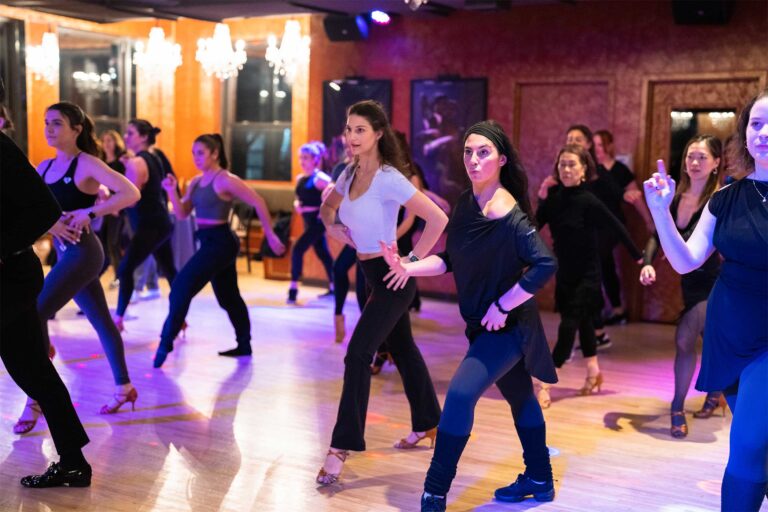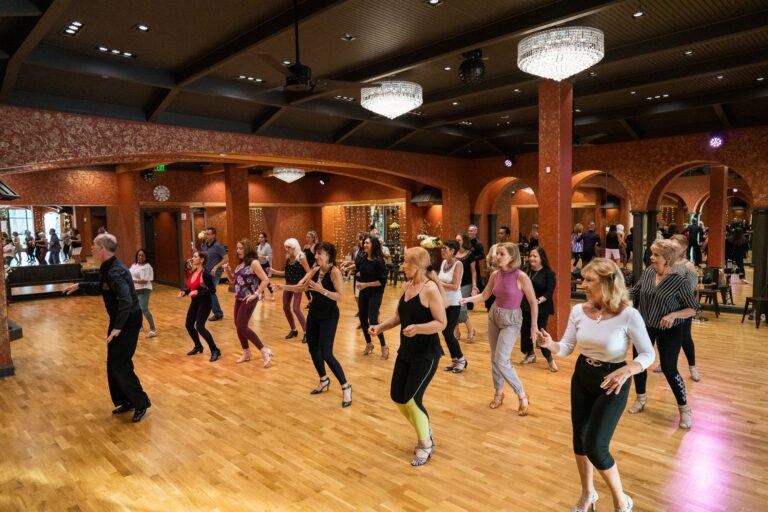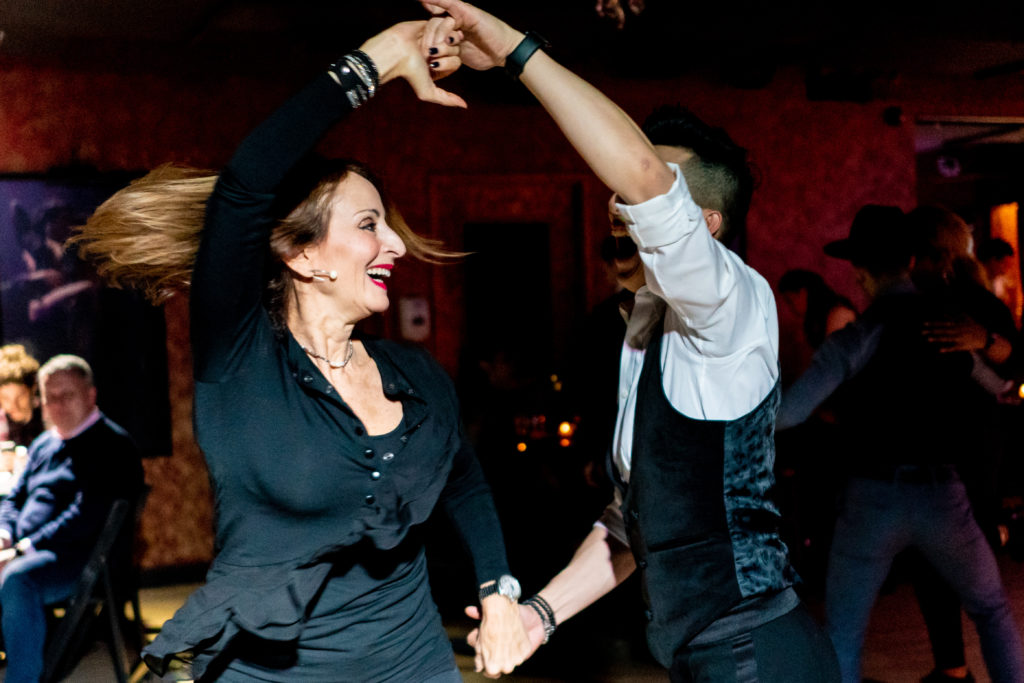
Stepping into a dance studio for the first time as an adult can feel intensely intimidating. We are practically conditioned by popular media to view dance as an exclusive club reserved for those who trained intensively from childhood.
The reality of the modern fitness and cultural landscape is completely different: adult dance classes are experiencing an unprecedented global renaissance. Whether your goal is to shake off the physical stagnation of a desk job, unlock a deep-seated desire for creative self-expression, improve physical coordination, or immerse yourself in a vibrant social community, there is a specific movement style meticulously tailored to your life.
The real challenge isn’t your coordination—it’s bypassing the visual overwhelm of studio timetables to identify the exact style that aligns with your biology, personality, and personal goals. If you are looking at the diverse programs offered at professional studios like Dance With Me, this guide serves as your definitive diagnostic framework to find your perfect fit.
1. The Strategic Self-Diagnostic Matrix
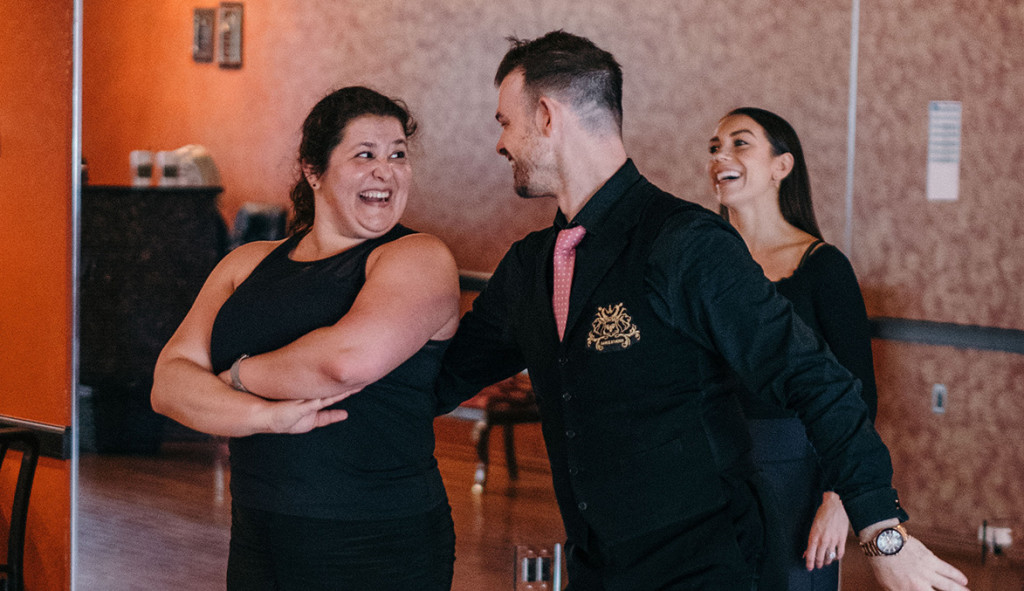
Choosing a dance style based solely on “what looks cool” on screen can sometimes lead to immediate friction if it doesn’t match your physical goals or social comfort level. Use the structural matrix below to cross-examine your personal preferences against different styles’ unique demands.
| Primary Goal | Social Dynamic | Music Preference | Recommended Match |
| Low Stress, Pure Fun, High Energy | Solo within a Group | Modern Country, Pop, Upbeat Mixes | Country Line Dancing |
| Elegance, Posture, Spatial Control | Interdependent Partner | Classical, Big Band, Instrumental Standards | American Smooth (Waltz, Foxtrot) |
| Socializing, High Energy, Rhythmic | Interdependent Partner | Salsa, Bachata, Merengue, Cha-Cha | Latin Social & Rhythm |
| Dynamic Rhythm, Footwork, Swagger | Interdependent Partner | Country Swing, Classic Rock, Blues | Country-Western (Texas Two-Step) |
| Calorie Burn, Aerobic Endurance | Solo Fitness Vibe | Upbeat Hits, Global Beats, Remixed Tracks | Dance Fitness |
The Golden Principle for Adults: Your dance journey must match the music you naturally enjoy. If you love the acoustic storytelling and steady rhythms of country music, a line dance or a Texas Two-Step will feel incredibly organic. If syncopated brass and percussion move you, the Latin floor is where you belong. Match your style to your playlist.
2. Deep-Dive Profiles: The Top Beginner-Friendly Styles
Let’s unpack the physical experience, learning curves, and core benefits of these highly accessible adult dance styles.
🤠 Country Line Dancing (Solo & Community Vibe)
Line dancing removes the pressure of coordination with a single partner while immersing you in an energetic, synchronized group environment.
-
The Core Experience: Executing a repeated sequence of steps alongside a group of people, all facing the same direction and transitioning together through multiple “walls” (directions) as the song progresses.
-
The Learning Curve: Exceptionally beginner-friendly. Steps are broken down into precise counts (such as a standard 32-count routine), allowing your brain to easily categorize and memorize patterns.
-
Physical Target: Aerobic conditioning, pattern retention, and excellent lower-body memory.
🥂 Ballroom & American Smooth (Waltz & Foxtrot)
These styles focus on the majestic, sweeping movements traditionally celebrated on the social dance floor, emphasizing structural posture and effortless floor craft.
-
The Core Experience: Learning to move fluidly across the room in tandem with an instructor or partner, prioritizing elegant extensions, balanced shifts in weight, and smooth frame containment.
-
The Learning Curve: Requires initial focus on posture and hold, but the fundamental tracking steps (like the classic box step in Waltz) are geometrically intuitive and simple to establish.
-
Physical Target: Core stability, elongated spinal alignment, pristine balance, and elegant spatial awareness.
🌶️ Latin Social & Rhythm (Salsa, Bachata, & Cha-Cha)
Energetic, rhythmically driven dances that prioritize connection, rapid footwork variations, and continuous physical communication.
-
The Core Experience: Sizzling, high-energy movements where you learn to navigate mechanical cues between the lead and the follow. Salsa offers fast-paced turns, Bachata relies on smooth, lateral, hip-articulated grooves, and Cha-Cha builds sharp, syncopated rhythm.
-
The Learning Curve: The base timing frameworks are uncomplicated, meaning you can easily dance through a complete track by the conclusion of your initial sessions. The artistry develops as you learn to decode a partner’s micro-signals seamlessly.
-
Physical Target: Agile multi-directional movement, rapid coordination, and deep core control.
🐎 Country-Western Partnering (Texas Two-Step & Country Swing)
A staple of social halls and dance floors worldwide, these partner styles combine rapid progression across the floor with playful, high-energy patterns.
-
The Core Experience: Traveling counter-clockwise around the perimeter of the room using a quick-quick-slow-slow rhythm (Texas Two-Step) or executing energetic, rotation-heavy swings in place.
-
The Learning Curve: Highly intuitive because the basic rhythm mimics a natural, progressive stride. It builds immediate confidence for anyone looking to navigate a social floor or night out.
-
Physical Target: Cardiovascular endurance, quick weight-shifting agility, and spatial tracking.
3. Debunking the “Prior Training” Bias
A common and highly pervasive narrative within traditional dance settings is that adults must possess a background in rigid, classical techniques like ballet to find success in other styles. For an adult beginner, this gatekeeping is entirely inaccurate and counterproductive.
The structural mechanics of different dance genres are independent. The lifted, strict verticality of traditional classical forms runs completely opposite to the grounded, fluid, hip-driven weight transitions of a social Bachata or the crisp, syncopated footwork of a Country Line Dance. Attempting to apply rigid, classical tension to social styles will actually make you look stiff and hinder your natural rhythm.
The verdict is definitive: choose the specific style you want to master right out of the gate. Modern adult beginner programs assume zero prior capability and safely build your mobility and confidence from the ground up.
4. Managing First-Class Logistics & Traction Mechanics
To make your initial studio experience seamless, it helps to clear away the practical anxieties that keep beginners from taking their first step.
The Footwear Rule: Avoid Sticky Sneakers
Your connection to the floor directly dictates your safety and joint health. In social, ballroom, and country styles, executing turns, pivots, and spins is foundational.
-
The Danger of Running Shoes: Standard running or training sneakers are engineered with high-traction, aggressive rubber treads designed to grip the ground firmly. On a professional wood dance floor, this excessive grip can trap your foot during a turn, transferring dangerous rotational torque directly into your ankles and knees.
-
The Solution: Avoid heavy rubber-soled athletic shoes. Instead, opt for smooth leather-soled dress shoes, character shoes, low-friction flats, or specialized dance shoes. If you must wear sneakers for line dancing or fitness, you can slide a specialized dance sock over the toe box to safely reduce floor friction.
5. Understanding the Professional Studio Ecosystem
An optimized adult dance studio model operates on a highly integrated three-part system designed to maximize your learning speed and comfort level:
-
Private Lessons (One-on-One): This is the crown jewel of rapid development. You receive personalized, undivided attention from an expert instructor who tailors the technical pacing, timing, and mechanics exactly to your unique biology and speed.
-
Group Dance Classes (Social Skill Building): Group classes complement private training perfectly. They allow you to learn standardized patterns, build collective confidence, and master the art of leading or following multiple different partners in a fun, shared environment.
-
Social Dance Parties (The Real-World Test): Professional studios host dedicated social parties to bridge the gap between practice and reality. These events provide a welcoming, low-pressure space where you can grab a drink, mingle with a like-minded community, and put your steps to the test on a live social floor.
6. Frequently Asked Questions
Do I need to bring a partner to an adult social or country dance class?
No. It is a universal industry standard that you do not need to bring a partner. During private lessons, your expert instructor acts as your partner. In group classes, studios utilize a structured rotational system where dancers swap partners every few minutes. This rotation actively accelerates your learning curve by forcing your muscle memory to adapt to various physical dynamics while multiplying the social aspect of the class.
What is the absolute easiest dance style for an adult beginner to learn?
Structurally, Country Line Dancing, Merengue, and Bachata offer the fastest on-ramps. Line dancing removes partner dynamics entirely, allowing you to focus purely on your own feet. Merengue uses a direct, intuitive 1-2 marching rhythm with no complex timing changes. Bachata relies on a highly repetitive, four-step lateral foundation that can be thoroughly internalized within twenty minutes, yielding immediate social confidence.
How many months does it take to stop feeling clumsy in a dance class?
If you attend lessons consistently once or twice a week and spend just ten minutes practicing at home between sessions, physical cognitive overload drops dramatically within weeks 4 to 6. By month 3, your body successfully builds the baseline neuromuscular pathways required to retain choreography, naturally track tempos, and pivot across the floor with comfort.
Conclusion: Your Immediate Action Plan
Do not wait until you are “in shape” or “coordinated enough” to sign up for your first class. The physical transformation and confidence are built inside the studio doors.
To take action today: select a professional studio close to your daily routine, schedule an initial introductory private lesson or beginner group class, wear comfortable clothing that gives you total freedom of movement, leave your high-traction running shoes at home, and give yourself full permission to make mistakes. Every smooth dancer on that floor started as a beginner wondering which foot to step on first. Trust the process, enjoy the music, and take that definitive first step.
Select your closest Dance With Me studio below to view local schedules and claim your introductory offer!