Kizomba Dance Explained: Learn the Moves & Find First Dance Classes
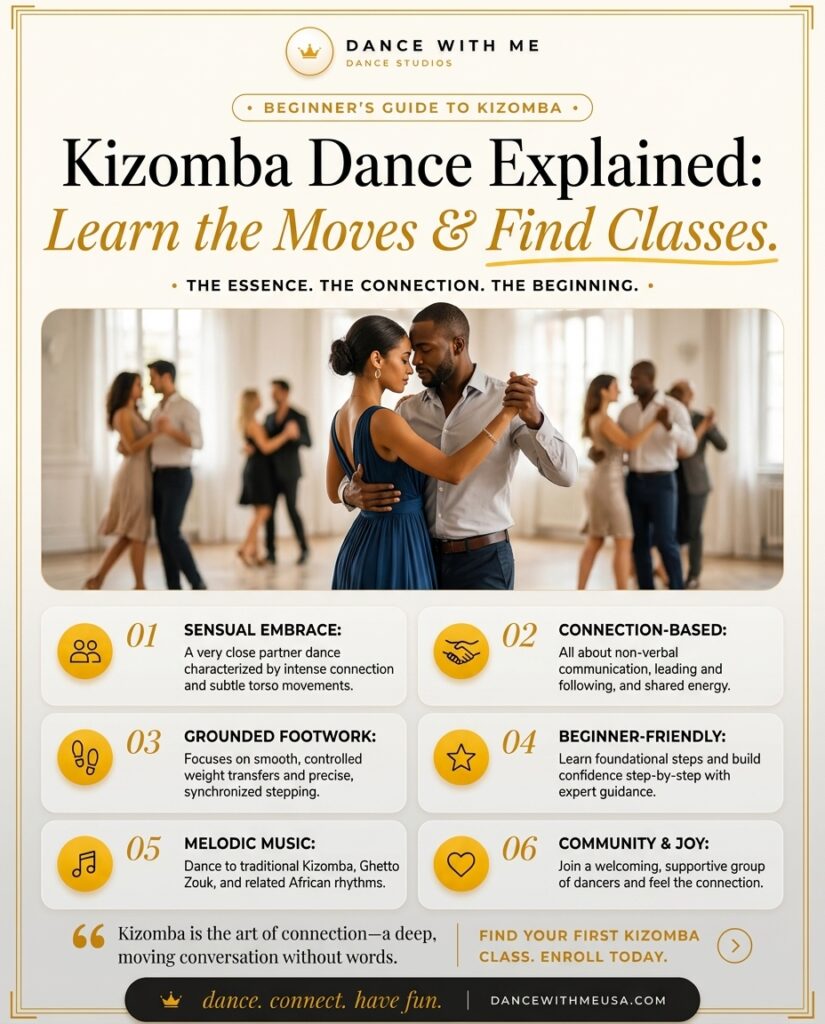
Kizomba is a close-embrace partner dance from Angola that emerged in the late 1970s and 1980s, danced to slow, bass-heavy kizomba music — a fusion of Angolan semba and Caribbean zouk — at roughly 80–100 BPM, with smooth, grounded walking steps led from the torso rather than the arms.
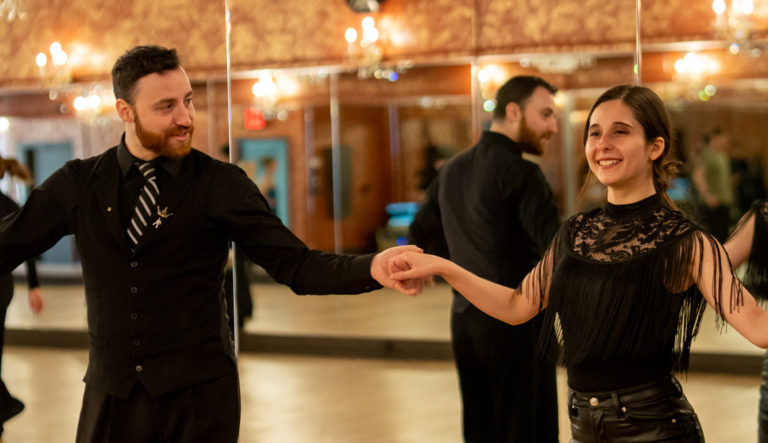
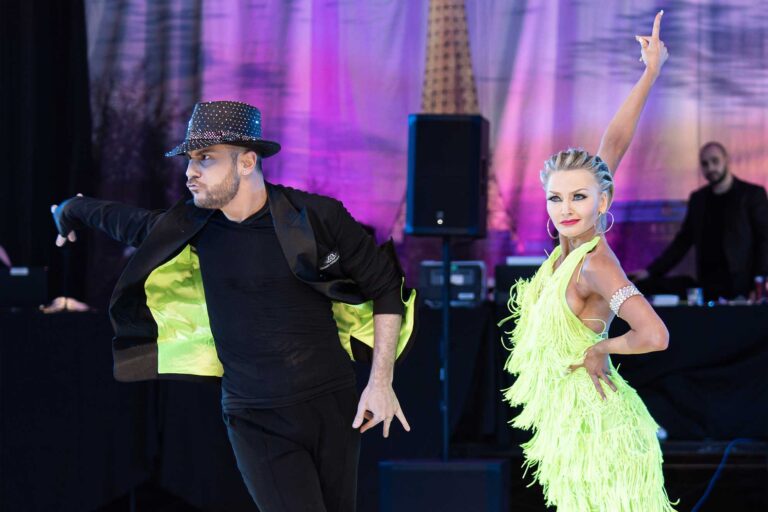
Unlike flashy, high-speed Latin dances filled with dizzying spins and acrobatic dips, Kizomba focuses entirely on smooth, grounded movement and intense partner connection. It is frequently described as an “African Tango” because of its elegant, walking-style footwork and seamless torso-to-torso embrace.
Whether you are looking for a highly romantic routine for your wedding, a low-impact social hobby, or a way to deeply improve your musicality, Kizomba offers a welcoming, sensual gateway into the world of partner dance.
Key Takeaways
- The word “Kizomba” comes from Kimbundu, a language of Angola, and means “party” or “celebration.”
- Kizomba emerged in Angola in the late 1970s and early 1980s as a fusion of traditional Angolan semba and French Caribbean zouk. Angolan singer Eduardo Paím is widely credited as the creator of kizomba music, and most kizomba songs are sung in Portuguese.
- Kizomba music is slow and steady, in 4/4 time at roughly 80–100 BPM, driven by a heavy bass pulse. Dancers walk and pause with the bass line rather than counting fast patterns.
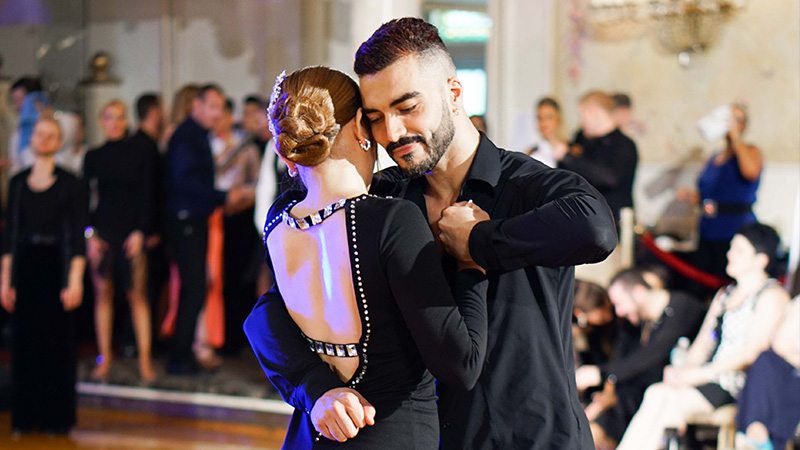
- Kizomba is danced in a continuous close embrace, with partners connected from the chest down to the hips. The leader guides the follower through small shifts of the chest and torso, not with the arms.
- Kizomba is a walking dance with grounded posture and soft, slightly bent knees. It uses no rise, no fast footwork and no dizzying spins, which is why kizomba is often called the “African tango.”
- Kizomba differs from bachata and salsa mainly in hold and movement. Bachata moves between open and closed positions with underarm turns and a tap on beats 4 and 8. Salsa is a fast, eight-count dance built on spins, cross-body leads and solo shines. Kizomba stays in the embrace and prioritizes smooth, continuous walking.
- For most beginners, kizomba steps are easier to learn than bachata because kizomba has no complex turns. The torso-led partner connection takes longer to master.
- Kizomba does not require a partner to learn, since group classes rotate partners. Its slow walking cadence and close embrace also make kizomba a popular choice for a romantic wedding first dance.
Quick Comparison: Kizomba vs. Bachata vs. Salsa
When beginners step into an Afro-Latin dance club, they often confuse the styles. Here is a mobile-responsive breakdown to help you spot the differences immediately:
1. Kizomba (The Smooth Connection)
-
Vibe: Hypnotic, grounded, and deeply intimate.
-
Rhythm / Music: A steady, heavy bass heartbeat infused with electronic and R&B textures.
-
Key Movement: Danced in a continuous close embrace with strong torso connection. Focuses on smooth, walking steps, circular movement, and subtle hip isolations (bunda) rather than spins.
2. Bachata (The Romantic Latin Groove)
-
Vibe: Romantic, playful, and highly melodic.
-
Rhythm / Music: Driven by bright acoustic guitars (requinto) and bongos, featuring a distinct “tap” on the 4th and 8th beats.
-
Key Movement: Moves smoothly between open and closed positions, featuring side-to-side basics, frequent underarm turns, and rhythmic hip pops.
3. Salsa (The High-Energy Fire)
-
Vibe: Explosive, fast-paced, and wildly dynamic.
-
Rhythm / Music: Complex Afro-Cuban percussion, brass horns, and a rapid 8-count syncopated phrase.
-
Key Movement: Highly energetic, requiring quick weight transfers, intricate solo footwork (“shines”), and continuous cross-body leads.
The Core Characteristics of Kizomba
To truly understand how to dance Kizomba, you must embrace its unique physical mechanics:
-
The Close Embrace: In traditional Kizomba, partners dance completely connected from the chest down to the hips. The leader guides the follower not with their arms, but through subtle shifts in their chest and torso weight.
-
Grounded Posture: Unlike classical ballroom dances that emphasize rising onto the toes, Kizomba requires dancers to stay “grounded.” Knees remain soft and slightly bent, absorbing the rhythm into the floor.
-
Musicality Over Choreography: There is no strict “basic step” that must be repeated endlessly. Instead, dancers interpret the heavy bass line and the melodic vocals, speeding up or slowing down their walking steps to match the song’s energy perfectly.
Why Kizomba Makes a Stunning Wedding First Dance
If you are planning a wedding and feel terrified by the idea of performing a complex, fast-paced routine, Kizomba is a breathtaking alternative.
Because it relies on a natural, walking cadence and a continuous close embrace, it naturally looks incredibly romantic and elegant on camera. You won’t have to worry about memorizing rigid 50-step choreography or executing risky spins in a heavy wedding gown. Instead, you and your partner can simply hold each other close, sway to a beautiful, rhythmic track, and enjoy a genuine, intimate moment on the floor.
Frequently Asked Questions (FAQ)
What does the word Kizomba mean?
The word “Kizomba” originates from the Kimbundu language of Angola, and it literally translates to “party” or “celebration.” It reflects the dance’s origins in festive backyard gatherings and family celebrations in Angolan culture.
Is Kizomba harder to learn than Bachata?
For most absolute beginners, the steps of Kizomba are easier because it is fundamentally a walking dance without complex spins. However, the partner connection can take slightly longer to master. Kizomba requires a leader to guide using their chest and torso weight rather than their hands, which requires building a new type of physical trust and sensitivity.
Do I need a partner to sign up for Kizomba classes?
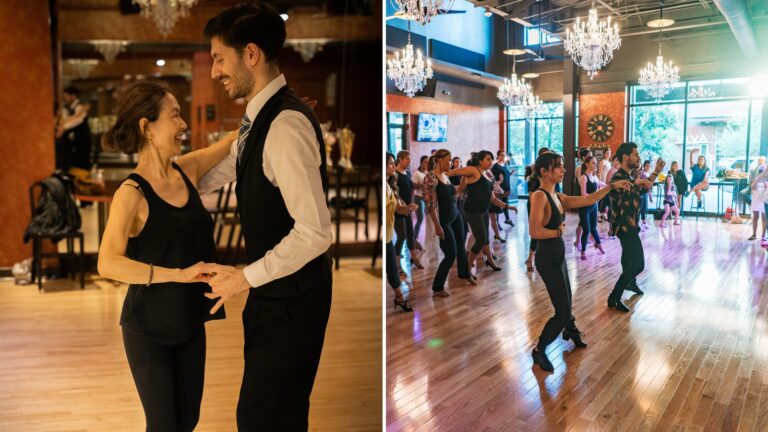
No, you do not need a partner! In social dance classes, instructors routinely rotate partners every few minutes. This structure accelerates your learning, prevents you from picking up your partner’s bad habits, and immerses you instantly in the welcoming local dance community.
What should I wear to my first Kizomba dance class?
Wear comfortable, lightweight clothing that allows you to move freely. For footwear, choose flat, smooth-soled shoes (like leather or hard plastic) that allow you to pivot and slide smoothly. Avoid heavy, rubber-soled athletic sneakers, as they grip the hardwood floor too tightly and can strain your knees during rotations.
While watching online tutorials can help you identify the heavy Kizomba bass line, nothing replaces the tactile feedback and precise physical connection of a live studio floor. Mastering the close embrace and subtle weight transfers of Kizomba builds incredible posture, partner trust, and social confidence.
No matter your age, fitness history, or current coordination, there is a beginner class tailored to your pace. Find the best Kizomba Dance Classes near you. and discover how rewarding, fun, and transformative learning to dance can be today!