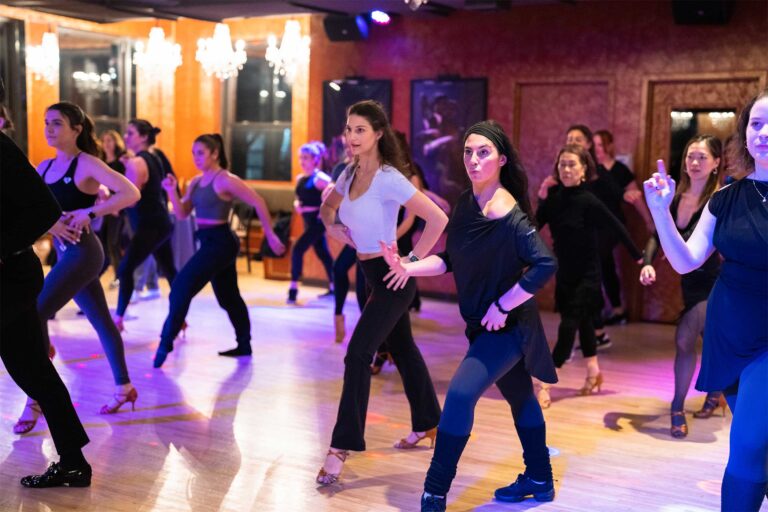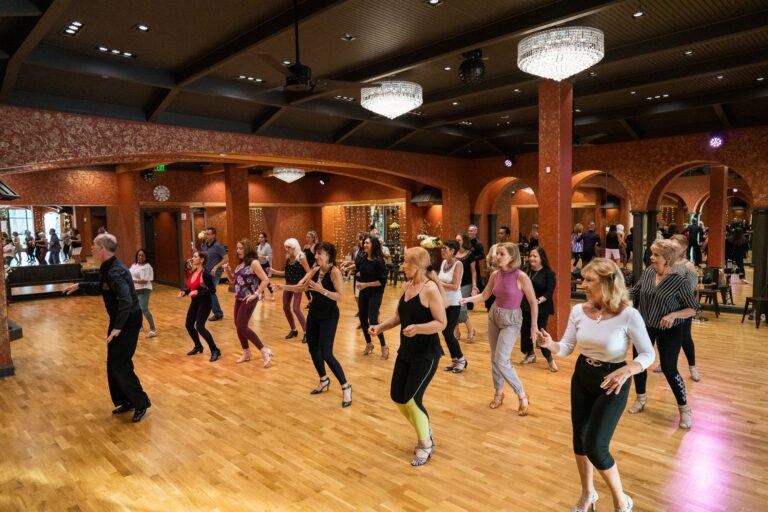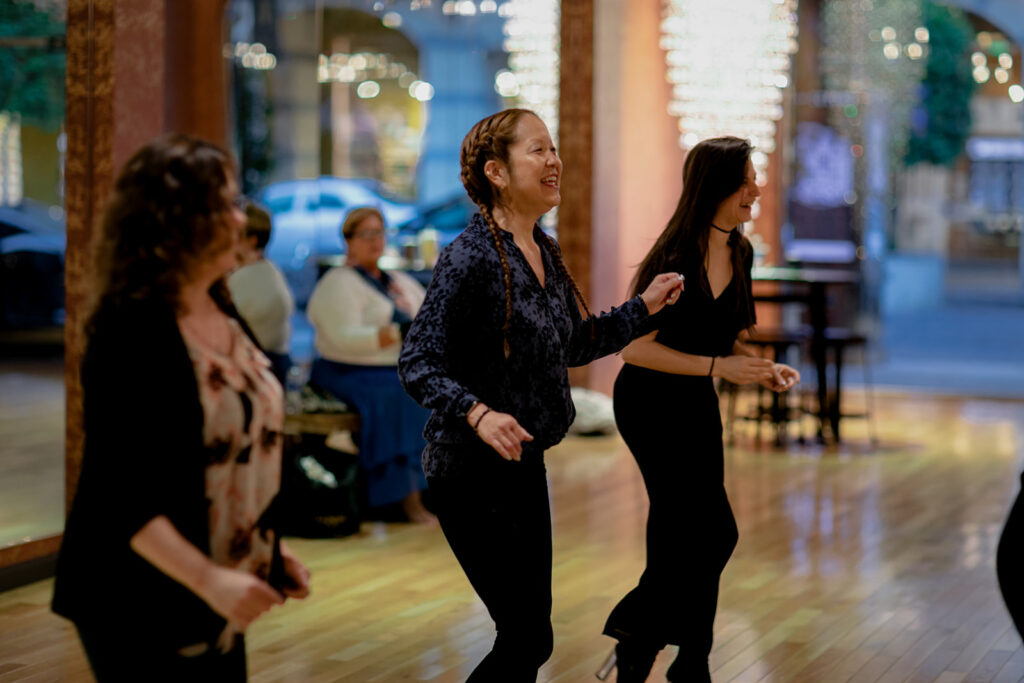
Line dancing is one of the most inclusive, high-energy, and socially engaging forms of movement in the world. Unlike traditional ballroom or salsa dancing, you never need a partner to hit the floor. Instead, dancers stand side-by-side in parallel lines and rows, executing a synchronized, pre-choreographed sequence of steps together.
While it is deeply rooted in country-western heritage, modern line dancing has evolved dramatically. Today, you can find groups boot-scooting to top-charting pop, hip-hop, soul, rock, and electronic tracks. Whether your goal is to confidently navigate a local country bar, join an urban shuffle at a wedding, or find an exhilarating low-impact cardio routine, getting started is completely straightforward.
Key Characteristics of Line Dancing
To understand why this dance style has captured global popularity, it helps to look at its core structural elements:
-
Partnerless Synergy: Because there is no physical contact between dancers, line dancing eliminates the “lead and follow” friction found in other styles. Anyone can join the line immediately and dance independently.
-
The Concept of “Walls”: Line dances are structured around a set number of directions you face while executing the routine. A 1-wall dance means you face the same direction the entire time, a 2-wall dance has you rotate 180 degrees to face the front and back, and a 4-wall dance turns you 90 degrees after each sequence to conquer all four points of the compass.
-
Mathematical Rhythm & Counts: Routines are broken down into musical beats or “counts”—most commonly 16, 32, or 64 counts. The movements reset seamlessly once the count sequence finishes, looping until the song ends.
Where to Learn & Find Steps
If you are eager to transition from spectator to dancer, mastering line dancing requires a balance of foundational knowledge and real-world floor time.
1. Read Step Sheets
A step sheet is a written blueprint of a line dance. It breaks down the choreography section-by-section (usually in 8-count blocks), detailing exactly which foot moves, where it steps, and when to turn. Reading step sheets is a fantastic way to study dances like the Electric Slide or Cupid Shuffle before your feet ever touch a studio floor.
Electric Slide
Cupid Shuffle
2. Practice Basic Footwork Patterns
You don’t need to worry about complex routines right away. Almost every beginner dance is assembled from a few recurring building blocks:
-
The Grapevine (Vine): A side-traveling step sequence. Step your right foot to the side, cross your left foot behind, step to the side again, and touch your feet together.
-
The Box Step: A four-step pattern that tracks the geometric shape of a square on the floor, frequently utilized in slower tempos.
-
The Pivot Turn: A step forward followed by a sharp 90-degree or 180-degree rotation on the balls of your feet to face a new wall.
-
Heel Digs and Scuffs: Striking your heel or foot against the floor to emphasize a heavy beat, common in traditional country line dancing classes.
3. Join a Dedicated Live Class
While online tutorials and written diagrams are excellent for getting a head start, nothing replaces the tactile feedback, community energy, and real-time guidance of a professional studio floor. Enrolling in structured classes prevents bad technical habits, boosts your confidence, and introduces you to an active, welcoming local community.
Step Onto the Floor: Find Line Dancing Classes Near Me
Ready to trade your screen for the dance floor? No matter your age, fitness history, or current coordination level, there is an absolute beginner class waiting for you. Find the best Line Dance Classes near you. and dive into your new favorite social hobby today!
Ready to take your first steps? Finding the right learning environment is the key to sticking with it.
Frequently Asked Questions (FAQ)
What is line dancing exactly?
Line dancing is a choreographed formation dance where a group of individuals dance in one or more lines, facing the same direction, and executing identical sequences of steps simultaneously without physical contact.
How do you line dance if you have zero rhythm?
Line dancing is highly recommended for individuals who feel they lack natural rhythm! Because the movements are mathematical and strictly tied to repetitive, predictable counts (like 1-2-3-4), you can memorize the patterns through muscle memory and visual coordination rather than relying purely on musical intuition.
Is country line dancing a good fitness workout?
Absolutely. Line dancing serves as an exceptional form of low-to-moderate-impact aerobic exercise. A single one-hour class of continuous dancing can burn between 300 to 500 calories while actively improving your core stability, spatial awareness, and physical balance.
What should I wear to my first line dancing class?
Opt for comfortable, lightweight clothing that allows a full range of physical movement. For your feet, smooth leather-soled shoes or traditional cowboy boots are ideal because they allow you to glide and pivot seamlessly. Avoid heavy rubber-soled athletic sneakers, as they can grip the floor too aggressively and put unnecessary strain on your knees and ankles.