

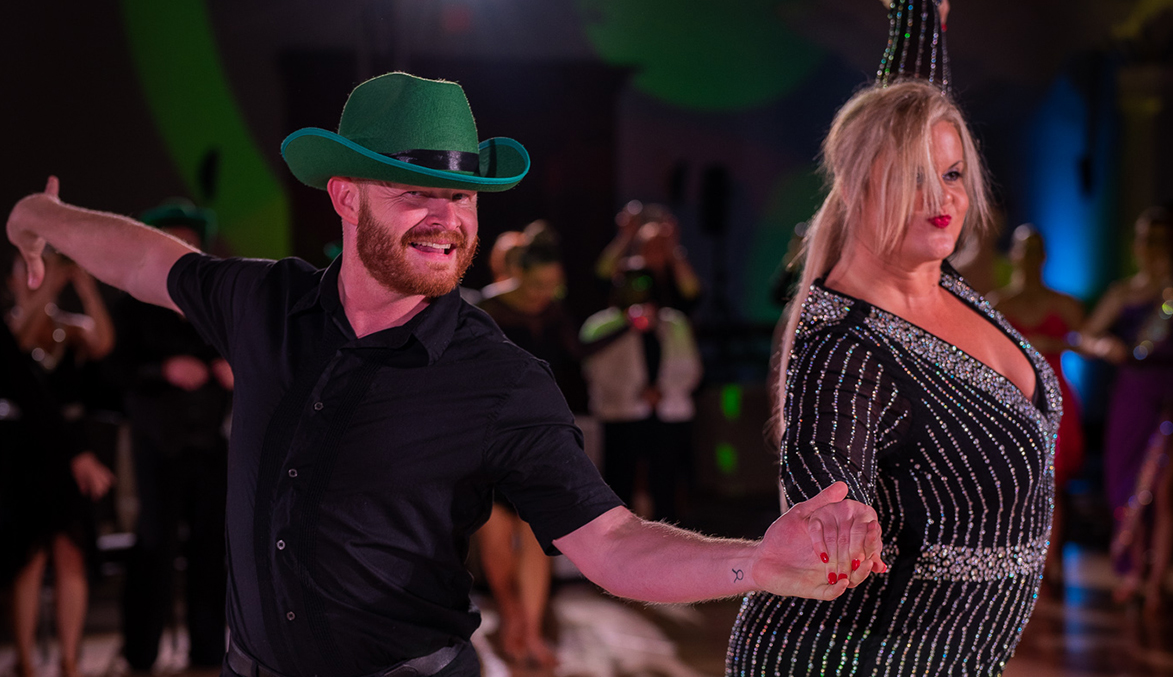
The world of Latin dancing is an exhilarating, pulse-pounding universe fueled by rich syncopation, brilliant cultural heritage, and incredible health benefits. Unlike rigid classical categories, Latin motion focuses heavily on fluid hip action, expressive body isolations, and rhythmic freedom.
However, if you walk into a social dance club or a professional studio, the sheer variety of styles can feel completely overwhelming. Not all rhythms are created equal—some steps are shockingly simple, while others require years of rigorous technical discipline to look natural. To help you navigate the dance floor with complete confidence, here is the definitive breakdown of popular Latin dances, ranked carefully from the hardest to the absolute easiest.
View this post on Instagram
Quick Comparison: Popular Latin Styles at a Glance
To give you an immediate edge before your first lesson, here is a mobile-responsive, vertically stacked breakdown of the top 5 Latin dance styles ranked by difficulty, followed by essential bonus styles:
-
Samba
Difficulty Level: Extremely Hard (Advanced)
Rhythm / Feel: Rapid-fire continuous bounce, celebratory energy, and vibrant carnival rhythm.
Key Challenge: Blending high-speed execution with continuous ankle-knee bounce action and independent body rolls.
-
Rumba
Difficulty Level: Hard (Intermediate to Advanced)
Rhythm / Feel: Slow, romantic, and deeply expressive competitive ballroom style.
Key Challenge: Controlling dramatic weight shifts, mastering sharp hip extensions, and maintaining intense partner connection at a slower tempo.
-
Salsa (On1 / On2 / Mambo)
Difficulty Level: Moderate (Intermediate)
Rhythm / Feel: Explosive, high-tempo, dynamic, and packed with complex multi-spin combinations.
Key Challenge: Tracking a fast 8-count syncopated phrase with compact steps kept perfectly under your center of gravity.
-
Bachata
Difficulty Level: Easy (Beginner Favorite)
Rhythm / Feel: Smooth, rolling, deeply intimate, and highly melodic social style.
Key Challenge: Developing subtle, relaxed lateral hip movement, fluid weight transfers, and isolated body waves.
-
Merengue
Difficulty Level: Absolute Easiest (Gateway Dance)
Rhythm / Feel: Fast but ultra-simple 1-2 driving march rhythm.
Key Challenge: Coordinating basic hip shifts and Cuban motion without overthinking complex footwork patterns.
Bonus Styles
Paso Doble
Difficulty Level: Hard (Intermediate to Advanced)
Rhythm / Feel: Highly stylized, march-like choreography modeled after the theatrical drama of a Spanish bullfight.
Key Challenge: Executing military precision, rigid posture, and strict competitive styling.
Cha-Cha
Difficulty Level: Easy to Moderate (Advanced Beginner)
Rhythm / Feel: Sharp, staccato, playful, flirtatious, and highly energetic.
Key Challenge: Synchronizing fast, rhythmic chassé weight changes back-to-back over a quick count.
What Are the 5 Latin Dances?
When entering the professional world of competitive ballroom dancing (Dancesport), the term “Latin” is strictly standardized. What are the 5 Latin dances recognized internationally? They include:
The Cha-Cha: A lively, playful dance characterized by quick, syncopated footsteps and a bright, flirtatious attitude.
The Samba: A celebratory, high-energy carnival dance from Rio de Janeiro that relies on a continuous vertical bounce step.
The Rumba: The slow, romantic soul of competitive ballroom, focusing heavily on dramatic weight shifts and sensual storytelling.
The Paso Doble: A highly stylized dance modeled after a traditional Spanish bullfight, where the leader acts as the matador and the follower portrays the cape.
The Jive: An ultra-fast, athletic cousin of swing music featuring sharp kicks, flicks, and endless bounce energy.
While these five comprise the formal ballroom standard, social settings frequently emphasize street styles like Salsa, Bachata, and Merengue, which offer a completely different casual vibe.
What Is the Hardest Latin Dance to Learn?
If you look across both social dance floors and competitive circuits, Samba consistently captures the crown. What is the hardest Latin dance to learn? For beginners and seasoned dancers alike, Samba is notoriously brutal.
It requires an incredibly complex “samba bounce” action generated by the alternate bending and straightening of the knees and ankles, executed at lightning speed. It demands precise coordination to move progressively across the room along the line of dance while simultaneously maintaining independent, fluid body rolls and pelvic isolations.
Pro Tip: If a style feels too intimidating at first, remember that a dance’s difficulty is purely a reflection of its technical layers, not your ultimate potential. Every expert dancer started with zero coordination!
What Is the Easiest Latin Dance?
On the opposite end of the spectrum, you can find incredibly welcoming gateways to the dance world. What is the easiest Latin dance? Without question, Merengue takes the gold medal for simplicity.
Merengue operates on a straightforward 1-2, left-right march beat. There are no syncopated pauses, confusing 8-count timings, or complex foot placement patterns to memorize. You simply step on every single beat of the music. This absolute simplicity makes Merengue the ultimate laboratory for beginners to master “Cuban motion”—the fundamental alternating knee bend that naturally generates that classic Latin hip swing. Once your hips learn how to move automatically to a march rhythm, stepping up to faster, syncopated dances becomes infinitely easier.
Is Salsa or Bachata Sexier?
This is one of the most fiercely debated questions on the social dance scene! Is salsa or bachata sexier? While both styles are deeply expressive, they channel romance and energy in entirely unique ways.
-
Bachata is widely considered more sensual and “sexier” in a traditional, close sense. Originating from the Dominican Republic, Bachata features a slower, deeply melodic tempo. It emphasizes a close-embrace partner connection, continuous rolling body waves, and highly fluid, isolated hip actions. It feels intimate, smooth, and grounded.
-
Salsa, on the other hand, is high-octane sex appeal. It is explosive, fast-paced, and wildly dynamic. Salsa channels its passion through dramatic multiple spins, intricate footwork patterns (called “shines”), and flashy cross-body leads.
If you prefer slow, close-up connection and smooth hip grooves, Bachata wins the crown. If you prefer high-energy flirtation and show-stopping spins, Salsa is your match.
Where to Learn Latin Dance Near You
Transitioning from reading step breakdowns to owning the dance floor requires real, tactile practice. While studying online diagrams can build a mental blueprint, nothing replaces the real-time feedback and electric energy of a live studio floor.
Interestingly, many beginners find that learning solo choreography before diving into close partner work is a massive confidence booster. Exploring group routines that build rhythm, timing, and foot isolation allows you to get comfortable with your own body first. Ready to trade your screen for the real world? . and dive into a high-energy, social hobby that builds your rhythm step-by-step!
Ready to take your first steps? Finding the right learning environment is the key to sticking with it. Select your closest Dance With Me studio below to view local schedules and claim your introductory lining dancing class:
Dance Studios in New York:
Dance Studios in New Jersey:
Dance Studios in Texas:
- Dance Studio in Austin
- Latin Dance Classes in Austin
- Dance Studio in Southlake
- Dance Studio in Houston
- Dance Studio in The Woodlands
- Dance Studio in Fort Worth
Dance Studio in Georgia:
Dance Studio in Las Vegas:
Dance Studio in Connecticut:
Frequently Asked Questions (FAQ)
How long does it take to learn the basic steps of Salsa?
With professional step-by-step instruction, an absolute beginner can typically memorize a basic footwork pattern within 15 to 20 minutes. However, achieving smooth timing, executing fast turns effortlessly, and feeling fully confident at a live social dance club usually takes about 4 to 8 weeks of consistent practice.
Do I need a partner to sign up for Latin dance lessons?
Not at all! The vast majority of social dance studios run group classes where partners rotate continuously throughout the session. This structure is highly recommended because it accelerates your ability to lead or follow different styles, builds your adaptive social skills, and connects you instantly to a welcoming local community.
What should I wear to my first Latin dance class?
Choose comfortable, lightweight, and breathable clothing that allows a complete range of physical motion. For footwear, smooth leather-soled shoes are ideal because they allow you to glide and execute pivot turns smoothly. Avoid heavy rubber-soled athletic sneakers, as they grip the hardwood floor too aggressively and can place unnecessary strain on your knees and ankles.
Is Latin dancing a good workout for weight loss?
Absolutely. Latin dancing functions as an outstanding form of low-to-moderate-impact aerobic cardio. Continuous movement during a standard one-hour class can burn anywhere from 300 to 500 calories while actively strengthening your core muscle groups, boosting spatial awareness, and refining your balance.

