Walking into a dance studio for the very first time can feel incredibly daunting. Your palms sweat, your heart races, and a voice in your head might tell you that everyone is watching and judging your every move. If you are looking into nervous dance lessons, you are far from alone—social anxiety on the dance floor is one of the most common hurdles keeping people from experiencing the immense joy of movement.
Dancing is fundamentally about self-expression, connection, and rhythm, yet the fear of looking awkward can paralyze even the most enthusiastic beginners. Fortunately, overcoming this anxiety is a structural process. By understanding the mind-body connection of dance and choosing the right environment, you can transform that nervous energy into confidence.
Let’s explore the science behind dance anxiety, practical steps to break through your fears, and how to find a supportive environment to start your journey.
Quick Glance: Overcoming Dance Anxiety at a Glance
To give you an immediate framework before stepping into a studio, here is a mobile-friendly breakdown of how dance affects your body and mind, alongside strategies to manage your nerves.
-
Acknowledge the Fear
-
The Scientific Term: Choreophobia (the formal fear of dancing).
-
The Reality: Most beginners share this exact fear; you are never the only anxious person in a novice class.
-
-
Physiological Impact
-
Anxiety Reduction: Massive release of endorphins, dopamine, and serotonin.
-
Cardiovascular Benefits: Regulates and lowers resting blood pressure over time through low-impact aerobic exercise.
-
-
Actionable Strategy
-
Mindset Shift: Focus entirely on your own feet and your instructor rather than scanning the room.
-
Environment: Choose dedicated absolute-beginner programs that explicitly cater to nervous dancers.
-
What Is the Fear of Dancing Called?
To defeat a fear, it helps to name it. What is the fear of dancing called? In psychology, the formal term is choreophobia. This condition ranges from mild social awkwardness and stage fright to a severe, paralyzing aversion to dancing in public or private settings.
Choreophobia is deeply rooted in the fear of negative evaluation—the worry that your coordination, body shape, or rhythm will be judged by others. Acknowledging that this is a recognized psychological barrier can help normalize what you are feeling. It isn’t a reflection of your actual physical potential; it is simply a mental guardrail that you can learn to dismantle.
The Health Benefits: Is Dancing Good for Anxiety?
When you are feeling stressed, adding a physical activity like dancing might seem like it would increase your tension. However, the exact opposite is true. Is dancing good for anxiety? Absolutely.
Dancing is a unique tool for mental health because it combines physical exercise, cognitive focus, and rhythmic synchronization.
-
The Neurochemical Reset: Shicking your body into motion triggers an immediate flood of endorphins, the body’s natural stress relievers. It actively reduces cortisol (the stress hormone) levels.
-
Mindfulness Through Movement: Because dancing requires you to think about your steps, counts, and posture, it acts as a form of active meditation. Your brain literally does not have the bandwidth to worry about tomorrow’s deadlines or social insecurities while you are tracking a rhythm.
Can Dance Lower Blood Pressure?
Beyond the psychological relief, the physical mechanics of dancing yield exceptional cardiovascular rewards. Can dance lower blood pressure? Yes, clinical research continuously demonstrates that regular, moderate-intensity aerobic activities like ballroom or social dancing strengthen the heart muscle.
When you engage in continuous movement, your heart becomes more efficient at pumping blood, which reduces the strain on your arteries. Over time, consistent dance practice can significantly assist in lowering resting blood pressure, reducing systemic inflammation, and improving overall circulation—making it as beneficial for your physical health as it is for your peace of mind.
How to Dance Freely Without Social Anxiety
Transitioning from a state of worry to moving fluidly requires a few practical adjustments to your mindset and approach. If you want to know how to dance freely without social anxiety, implement these professional strategies:
-
Embrace Solo Practice First: Before stepping into a public studio, spend five to ten minutes dancing alone in your living room. Turn on your favorite track and just move without looking in a mirror. This builds a foundational comfort with rhythm without the perceived pressure of an audience.
-
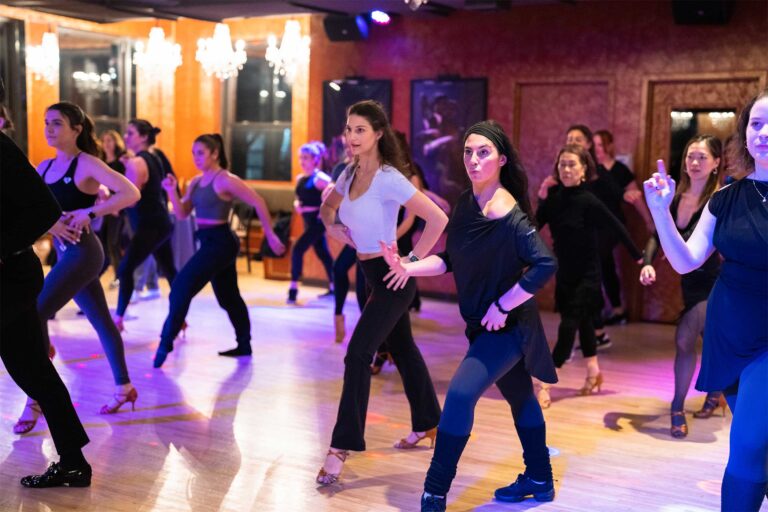
Understand the Spotlight Effect: In psychology, the “spotlight effect” is our tendency to believe people are noticing us much more than they actually are. In a beginner dance class, every single person is completely consumed by their own feet, their own balance, and their own coordination. No one is watching you because they are too busy worrying about themselves!
-
Celebrate the Mistakes: Mistakes are a structural requirement of learning. When you lose your footing or miss a count, smile and reset. Reframing a wrong step as data rather than a failure completely strips away its power to make you anxious.
Step Onto the Floor: Find the best Ballroom Dance Classes Near You
While reading about anxiety management can help intellectualize your fears, the ultimate antidote to nervousness is action inside a supportive, live environment. Enrolling in professional, in-person instruction accelerates your growth because specialized teachers know exactly how to guide apprehensive newcomers.
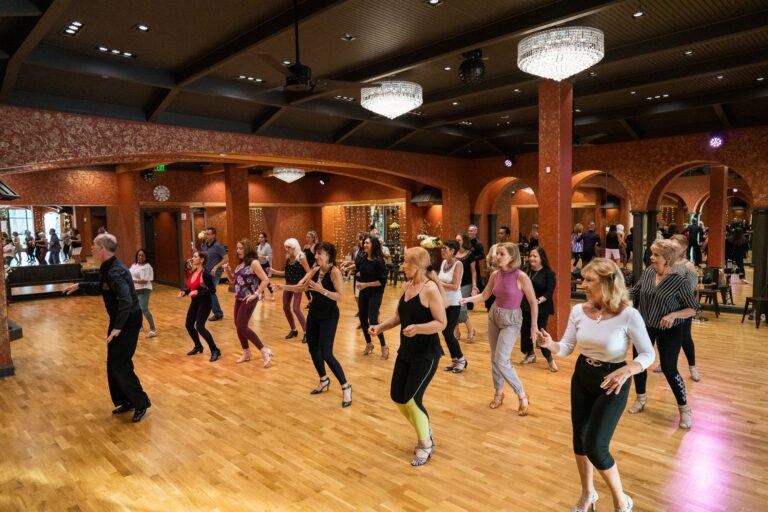
In a physical studio, you will find a community of peers who share your goals, laugh at the same shared slip-ups, and celebrate your breakthroughs. Instructors who specialize in beginners focus heavily on building a safe space where ego is left at the door, ensuring your introduction to partner dancing is uplifting and stress-free.
No matter your current fitness level, coordination, or background, there is an absolute beginner group tailored to your pace. Find the best Ballroom Dance Classes near you and take that first empowering step toward dancing with complete freedom today!
Frequently Asked Questions (FAQ)
What is the fear of dancing called?
The formal psychological term for the fear of dancing is choreophobia. It is a subset of social anxiety tied to the fear of being judged, looking uncoordinated, or failing to meet social expectations on the dance floor.
How to dance freely without social anxiety?
To overcome social anxiety while dancing, start by practicing privately at home to get comfortable with your body’s natural rhythm. When you enter a class, leverage the “spotlight effect” reality—remember that everyone else is focused entirely on their own steps, not yours. Concentrate your vision and attention strictly on your instructor’s movements.
Is dancing good for anxiety?
Yes, dancing is an excellent, scientifically proven tool for managing anxiety. It triggers the release of mood-boosting neurotransmitters like dopamine and serotonin while lowering cortisol levels. The cognitive demand of tracking dance steps also acts as a form of mindfulness, breaking repetitive cycles of anxious thinking.
Can dance lower blood pressure?
Yes. Dancing serves as a highly effective form of low-to-moderate-impact aerobic exercise. Regular participation in dance classes strengthens your cardiovascular system, improves blood vessel elasticity, and can systematically lower resting blood pressure over time.
What should I look for in a dance studio if I am incredibly nervous?
Look for studios that explicitly offer “Absolute Beginner” or “Introductory” group classes. Check their reviews or call ahead to ask if their culture is geared toward social dancing and beginners. A welcoming studio will emphasize fun, community, and foundational basics over strict, intimidating competition-style training.