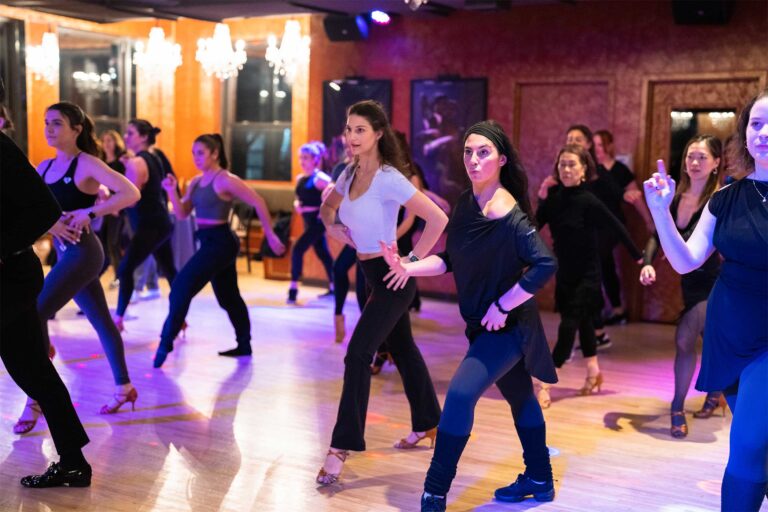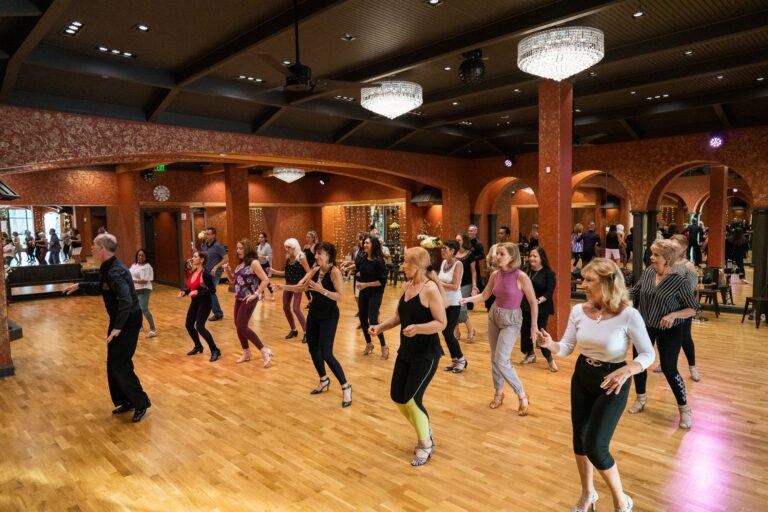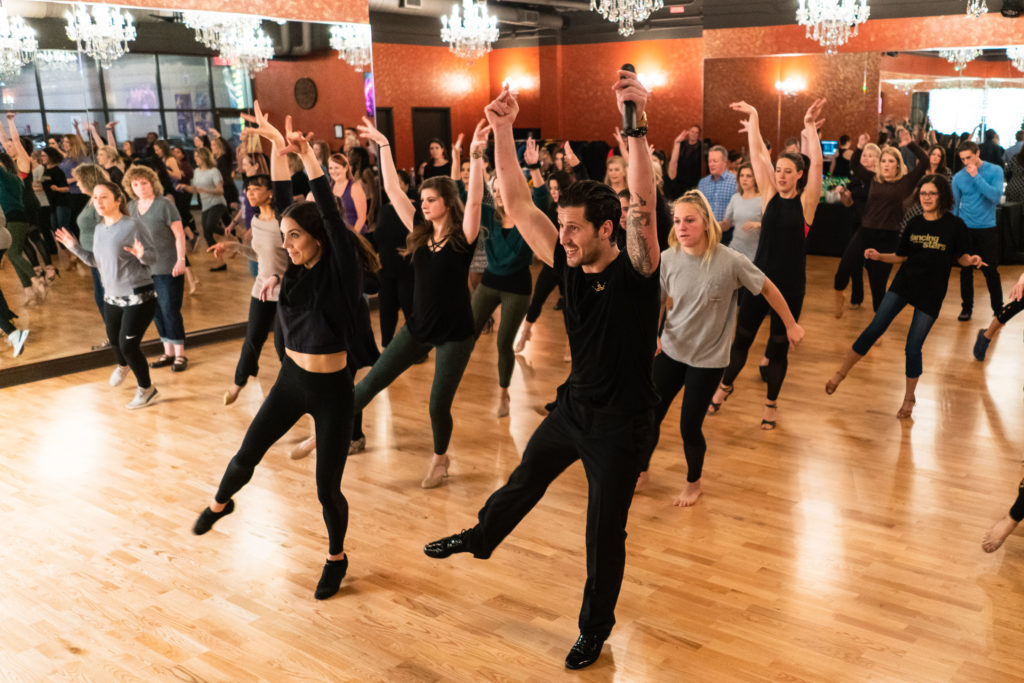
Stepping onto a dance floor for the very first time can feel equal parts exciting and intimidating. If you are searching for the best dance classes for beginners, rest assured that feeling a bit nervous or uncoordinated is completely normal. The truth is, dancing is not an innate gift reserved for a select few—it is a learned physical skill built on rhythm, structured steps, and muscle memory.
Whether you want to feel confident at upcoming social events, prepare for a wedding first dance, get an incredible low-impact workout, or simply explore a fun new hobby, there is an absolute beginner class designed for your pace.
Key Takeaway: You do not need two left feet transformed overnight, a dedicated dance partner, or prior experience to join a beginner class. All you need is the right studio environment and a style that matches your personal goals.
Quick Comparison: Best Beginner Dance Styles at a Glance
To help you decide where to start, here is a mobile-responsive breakdown of the top dance styles taught in beginner programs, ranked by accessibility, music style, and social feel:
1. Merengue & Bachata (Latin Social)
-
Difficulty Level: Absolute Beginner (Easiest Entry Point)
-
Primary Music Genre: Modern Latin, Contemporary Pop, Dominican Beats
-
Key Characteristics: Merengue operates on a simple 1-2 march beat, making it the ultimate gateway dance to master basic hip movement (Cuban motion). Bachata offers a smooth, melodic 4-count rhythm focused on fluid weight transfers.
-
Best For: Quick confidence, social party settings, and zero-stress rhythm building.
2. East Coast Swing (Partner Swing)
-
Difficulty Level: Beginner
-
Primary Music Genre: Upbeat Jazz, Rockabilly, Motown, Pop
-
Key Characteristics: A cheerful, rotational dance built around an easy 6-count timing pattern (triple step, triple step, rock step). It is extremely forgiving and adaptable to almost any fast-tempo song.
-
Best For: Social gatherings, wedding receptions, and high-energy fun.
3. American Style Waltz & Foxtrot (Ballroom Smooth)
-
Difficulty Level: Beginner
-
Primary Music Genre: Classical, Instrumental, Vintage Standards, Slow Ballads
-
Key Characteristics: Elegant and structured. The Waltz uses a classic 3/4 box step pattern with sweeping rise-and-fall movement, while the Foxtrot teaches smooth, continuous walking steps and simple side-chassés.
-
Best For: Formal events, posture improvement, and wedding first dances.
4. Country Line Dancing (Partnerless Group)
-
Difficulty Level: Absolute Beginner to Intermediate
-
Primary Music Genre: Country-Western, Pop, Top 40
-
Key Characteristics: Executed in synchronized lines without a partner. Dancers follow repeating footwork patterns (16, 32, or 64 counts) facing four different directions (“walls”).
-
Best For: Dancers without a partner, building mathematical foot coordination, and casual bar socials.
5. Salsa (Latin Rhythm)
-
Difficulty Level: Advanced Beginner
-
Primary Music Genre: Upbeat Salsa, Mambo, Afro-Cuban Percussion
-
Key Characteristics: High-energy, dynamic, and explosive. Built on an 8-count syncopated phrase with quick turns, cross-body leads, and rhythmic footwork patterns (shines).
-
Best For: Cardio exercise, vibrant social dance clubs, and dynamic partner connection.
Group Dance Classes vs. Private Dance Lessons: Which Is Better for Beginners?
When enrolling in beginner dance lessons, most professional studios offer two primary pathways. Understanding how group or private dance lessons complement each other accelerates your learning curve:
-
Group Classes: Ideal for getting comfortable dancing in front of others, practicing leading or following with different body types, and building a community of fellow beginners.
-
Private Lessons: The fastest way to strip away nervousness. One-on-one time with a professional instructor allows you to focus strictly on your personal mechanics, posture, and favorite dance styles without feeling rushed.
-
The Hybrid Approach: Combining private lessons with social group classes gives beginners the solid technical foundation of private coaching alongside the real-world practice of group environments.
What to Expect in Your Very First Beginner Dance Class
Knowing what happens when you step through the studio doors removes the anxiety of the unknown. A typical 45-to-60-minute beginner class follows a smooth, welcoming structure:
-
Warm-Up & Rhythm Connection (5–10 Mins): Your instructor starts with light stretching and basic rhythm drills to get your body moving to the music’s downbeat.
-
Step Breakdown (15–20 Mins): The teacher breaks down a single foundational pattern (such as a Box Step or Basic Salsa side-step) slowly without music, demonstrating foot placement and weight balance.
-
Music Integration (15 Mins): Once the muscle memory sets in, you practice the movement to slow-tempo tracks, gradually building up to standard music speeds.
-
Partner Rotation or Practice (10 Mins): In partner styles, students periodically rotate so everyone gets equal practice time. If you bring a dedicated partner and prefer to stay together, most studios happily accommodate you.
How Beginner Dance Classes Improve Physical & Mental Health
Beyond the social thrill of learning a new skill, enrolling in regular dance instruction yields remarkable physical and psychological rewards:
-
Stress Relief & Cognitive Boost: Dancing requires focus on timing and coordination, acting as an active form of meditation that temporarily shuts off daily stressors while lowering cortisol levels.
-
Low-Impact Cardiovascular Health: A continuous 60-minute social dance session can burn between 300 and 500 calories, strengthening your heart muscle and improving overall joint mobility.
-
Balance & Posture Alignment: Core engagement is key to keeping your balance while turning. Regular practice naturally improves everyday standing posture, spinal alignment, and spatial awareness.
Find the Best Dance Classes For Beginners Near You
Reading about footwork patterns and listening to music beats is a great start, but nothing compares to the real-world joy of moving across a hardwood floor. At Dance With Me Studios, top-tier instruction meets a warm, inclusive community where judgment is left at the door. Instructors specialize in guiding absolute beginners from their very first step to navigating any social floor with effortless poise and confidence.
Ready to take your first steps? Finding the right learning environment is the key to sticking with it.
Frequently Asked Questions (FAQ)
What is the easiest dance style for an absolute beginner?
Merengue and East Coast Swing are widely recognized as two of the easiest styles for beginners. Merengue uses a simple 1-2 marching beat with no complex footwork timing. East Coast Swing relies on a basic, forgiving 6-count pattern that easily adapts to almost any upbeat song you hear on the radio.
Do I need a partner to sign up for beginner dance classes?
No, you do not need a partner. In group classes, participants rotate partners frequently throughout the lesson, allowing you to practice with different dancers and make new friends. In private lessons, you dance one-on-one directly with your professional instructor.
What should I wear to my first beginner dance class?
Wear comfortable, lightweight clothing that allows a full range of movement (such as casual activewear or breathable smart-casual clothing). For footwear, choose smooth leather-soled or hard plastic-soled shoes that allow you to slide and pivot smoothly. Avoid heavy rubber-soled athletic sneakers, as they can grip the hardwood floor too aggressively and strain your knees.
How long does it take for a beginner to stop feeling awkward on the dance floor?
Most students notice a dramatic drop in nervousness after just 2 to 3 structured lessons. Once your body recognizes repetitive counts and basic foot patterns through muscle memory, the feeling of awkwardness shifts into natural enjoyment.
Are beginner dance classes a good workout for weight loss?
Yes! Dancing is an excellent low-to-moderate-impact aerobic exercise. An active one-hour dance lesson engages core stabilizer muscles, builds endurance, and burns 300 to 500 calories while keeping you entertained through music and movement.