
As one of the most iconic ballroom dances in the world, the waltz has enchanted dancers and spectators for centuries with its signature grace, sweeping movements, and characteristic rise and fall. Originating as a scandalous 18th-century European peasant dance where partners dared to touch face-to-face, it has since evolved into a global phenomenon.
However, if you walk into a local studio, you will quickly discover that the waltz isn’t just a single dance. It has branched into several distinct waltz styles, each with its own tempo, technique, rules, and flair.
Whether you are preparing for a wedding first dance, looking into competitive ballroom dancing, or simply want a new social hobby, understanding these variations is your first step. Let’s break down the differences between the major waltz styles so you can find the perfect one for you.
Quick Comparison: The 4 Main Waltz Styles at a Glance
American Style (Slow Waltz)
-
Tempo: 84–90 BPM (Slow & romantic)
-
Position: Closed & Open (Partners can break apart)
-
Best For: Weddings & casual social dancing
-
Key Vibes: Highly expressive, theatrical, and features beautiful underarm turns.
International Style Standard
-
Tempo: 84–90 BPM (Slow & powerful)
-
Position: Strictly Closed (Continuous torso contact is required)
-
Best For: Competitive ballroom dancing (Dancesport)
-
Key Vibes: Incredible precision, discipline, and massive sweeping movements.
Viennese Waltz
-
Tempo: 150–180 BPM (Fast & athletic)
-
Position: Mostly Closed
-
Best For: Traditional gala balls & advanced dancers
-
Key Vibes: Blazing fast, continuous whirling rotation driven by pure momentum.
Country Western Waltz
-
Tempo: 84–90 BPM (Slow & steady)
-
Position: Relaxed Closed or Open
-
Best For: Country bars & casual social spots
-
Key Vibes: Progresses continuously around the edge of the floor with a relaxed, easygoing posture.
A Deep Dive Into the Top Waltz Styles
1. The American Style Waltz (Smooth and Expressive)
If you watch classic Hollywood movies featuring Fred Astaire and Ginger Rogers, you are likely watching the American Style Waltz. Sometimes called the slow waltz or the Boston waltz, this style is incredibly popular for social dancing in North America.
- The Technique: It utilizes a standard 3/4 time signature and the classic box step. What makes it unique is its freedom. Dancers can break away from a closed dance position into open positions, shadow positions, and execution of dramatic underarm turns.
- Why Choose It: It is highly theatrical and forgiving, making it the absolute best choice for a wedding first dance.
2. The International Style Standard Waltz (Disciplined and Precise)
Regulated heavily in early 20th-century England for judging panels, the International Style is the benchmark for global ballroom competitions (Dancesport).
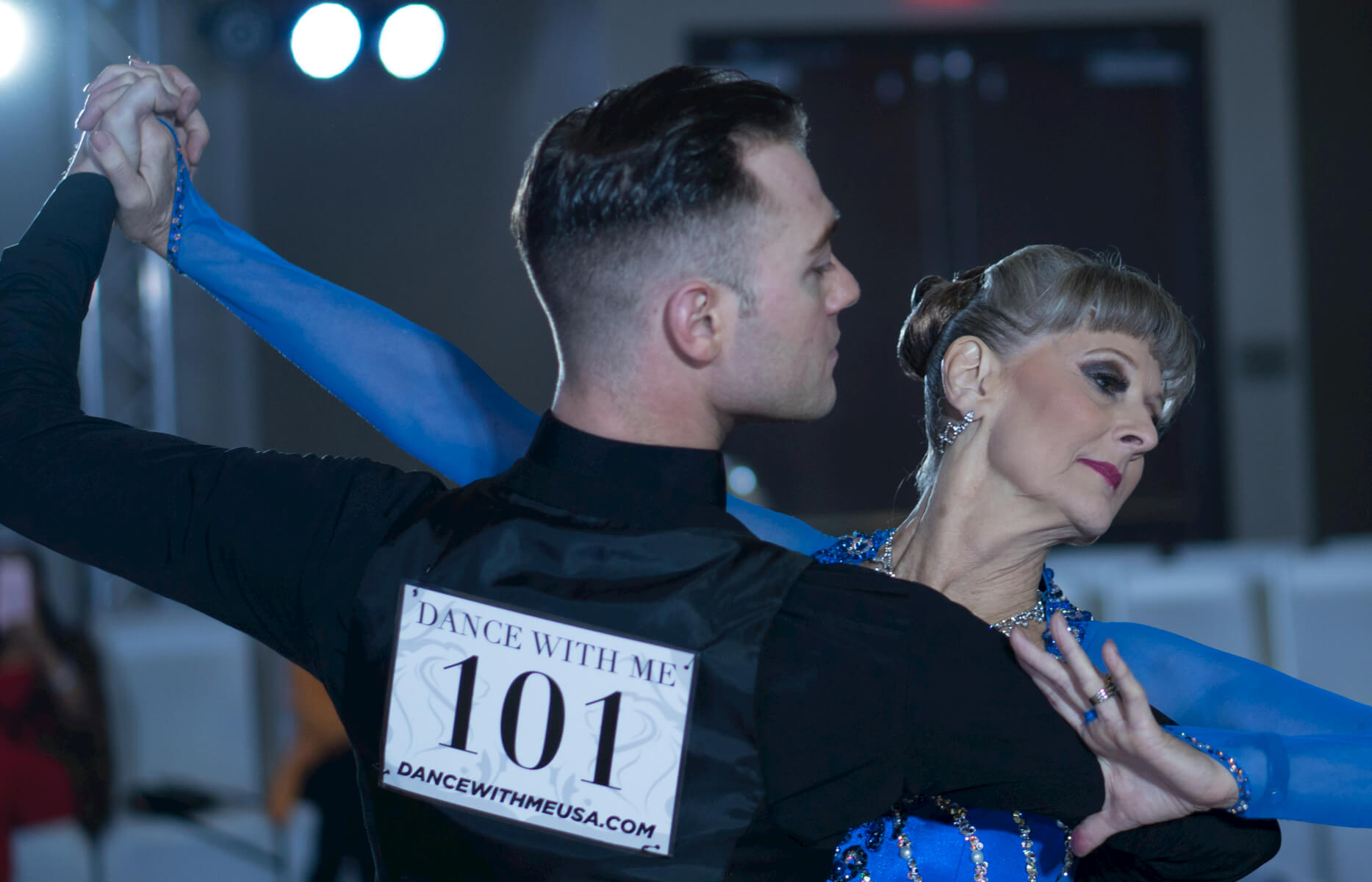
- The Technique: Unlike the American variation, partners dancing the International Style must maintain a strict closed position at all times. Contact from the pelvis to the upper torso is never broken. The movement focuses entirely on clean lines, deep body sway, and powerful travel across the floor.
- Why Choose It: If you love structure, precision, and want to enter the world of competitive ballroom dancing, this is the style for you.
3. The Viennese Waltz (The Fast-Paced Original)
The Viennese Waltz is the granddaddy of all waltzes, born in the grand ballrooms of Austria to the rapid-fire compositions of Johann Strauss.
- The Technique: The tempo is nearly double that of the slow waltz versions, clocking in at around 150 to 180 beats per minute (BPM). Because of the blinding speed, full rise-and-fall and dramatic body sway are stripped away to keep balance. The dance focuses heavily on constant, rapid left and right rotation.
- Why Choose It: It is a high-energy, athletic endurance test that looks breathtakingly elegant at traditional gala balls.
4. The Country Western Waltz (The Casual Social Favorite)
Born out of American folk traditions, the Country Western variation brings the romance of the ballroom down to the local honky-tonk.
- The Technique: Danced to slow country ballads in 3/4 time, this style is highly progressive, meaning dancers continuously run and glide counter-clockwise around the edge of the floor. The posture and frame are much more relaxed, and it avoids the dramatic hand gestures seen in classical ballroom.
- Why Choose It: It is highly accessible for beginners who want to enjoy casual social dancing without strict technique constraints.
Core Differences: How to Spot the Variations
When evaluating different waltz styles, focus on three primary mechanical markers:
- Frame & Contact: If the dancers break apart and spin individually, it is American or Country Western. If they are locked together like ice sculptures from start to finish, it is International Standard.
- Speed (Tempo): Slow, gliding, and romantic? It’s American, International, or Country. Rapid, dizzying, and dizzyingly fast? You are looking at a Viennese Waltz.
- Rise and Fall: Slow waltz styles give you the luxury of time to lower your knees, drive forward on a heel lead, and rise gracefully onto the toes. Fast waltz styles stay much flatter to the floor to conquer centrifugal force.
💃 Ready to Step Onto the Dance Floor?
There is no substitute for real floor time with a certified professional. Mastering the rise, fall, and rhythm of the waltz builds incredible posture, coordination, and confidence.
Ready to take your first steps? Finding the right learning environment is the key to sticking with it. Select your closest Dance With Me studio below to view local schedules and claim your introductory offer:
Dance Studios in New York:
Dance Studios in New Jersey:
Dance Studios in in Texas:
- Dance Studio in Austin
- Dance Studio in Southlake
- Dance Studio in Houston
- Dance Studio in The Woodlands
- Dance Studio in Fort Worth
- Dance Studio in Katy
Dance Studio in Georgia:
Dance Studio in Las Vegas:
Dance Studio in Connecticut:
Frequently Asked Questions (FAQ)
What is the difference between American and International waltz?
The primary difference is the dance position. American Style allows partners to break apart into open positions, spins, and theatrical patterns. International Style strictly requires partners to remain in a closed frame with continuous body contact throughout the entire dance.
Is the waltz hard to learn for beginners?
The slow waltz (American Style) is considered one of the best introductory dances for beginners because its foundational pattern—the box step—is easy to visualize. The Viennese Waltz, however, requires significantly more practice due to its high speed and constant rotation.
Which waltz style is best for a wedding first dance?
The American Style Waltz is the best choice for a wedding. Its slower tempo is easier to manage under pressure, it allows for beautiful “picture-perfect” poses and underarm turns for your photographer, and it accommodates wedding dresses much better than a tight International frame.
What time signature is the waltz danced to?
All authentic waltz styles are danced in a 3/4 time signature, characterized by a strong downbeat followed by two upbeats (counted as 1-2-3, 4-5-6).

