

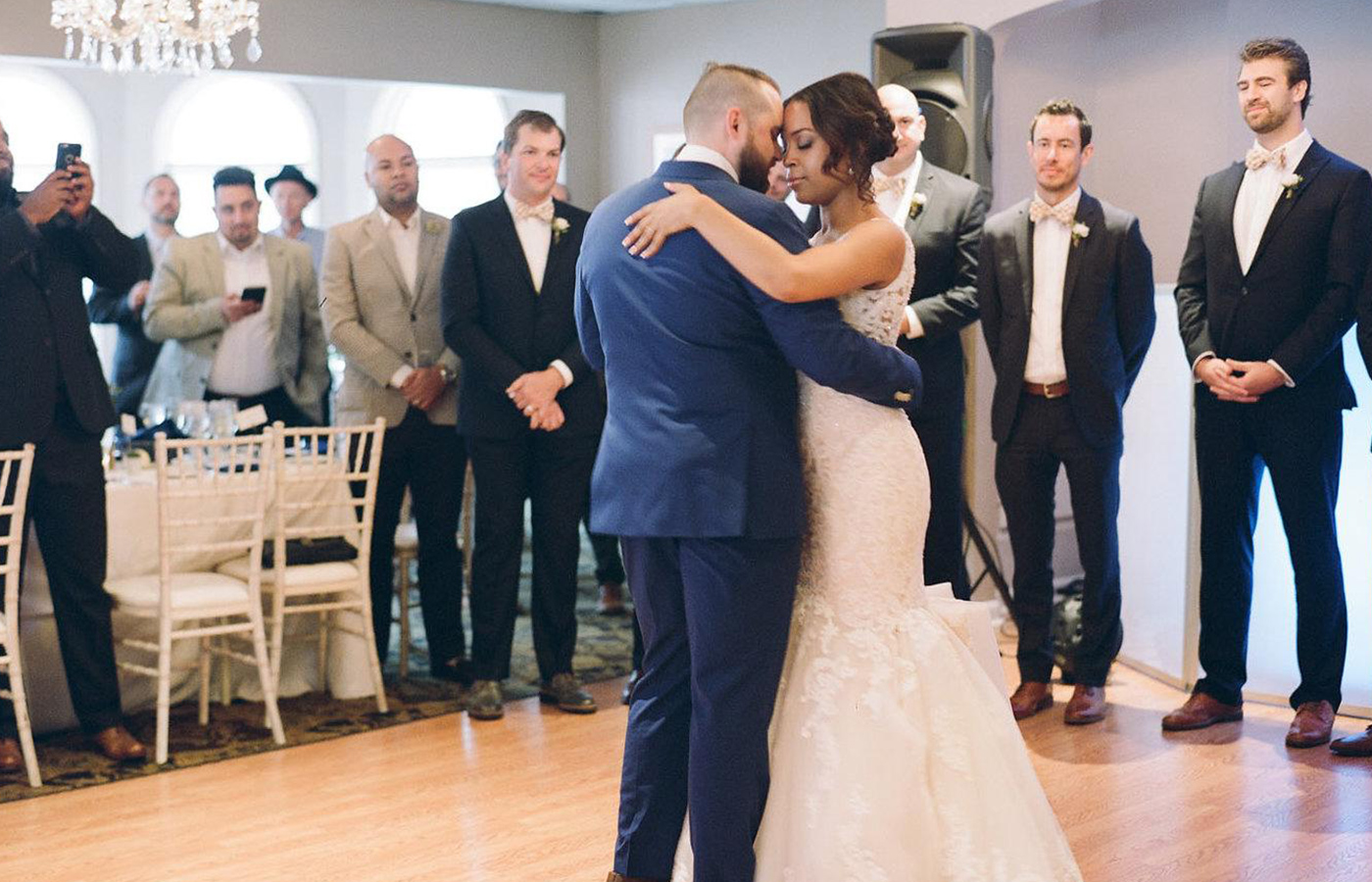
Your wedding first dance is one of the most memorable, highly photographed moments of your entire celebration. Yet, for many couples, the thought of stepping onto an open floor surrounded by family, friends, and flashing camera lenses induces a wave of stage fright.
If you are worried about stumbling over a heavy train, forgetting your steps, or looking stiff on camera, take a deep breath. Dancing is not an innate talent reserved for professionals—it is a learnable physical skill built on rhythm, posture, and simple mechanics.
Most wedding floor blunders stem from a few predictable, avoidable traps. Below, we break down the 5 most common first dance mistakes couples make and give you the exact strategies to fix them so you can shine on your special day.
Quick Comparison: First Dance Mistakes at a Glance
1. Waiting Until the Last Minute
Why It Happens: Wedding planning overload & delay
The Expert Fix: Start structured lessons 2 to 3 months before the wedding.
2. Choosing an Undanceable Song
Why It Happens: Focusing on lyrics over tempo and rhythm
The Expert Fix: Work with an instructor to assess song BPM or create a custom edit.
3. Ignoring Wedding Attire & Shoes
Why It Happens: Practicing exclusively in casual clothes/sneakers
The Expert Fix: Conduct at least two practice sessions in your actual wedding footwear and bustle.
4. Staring Down at Your Feet
Why It Happens: Nervousness and fear of tripping
The Expert Fix: Focus on eye contact, core posture alignment, and leading/following cues.
5. Over-Choreographing Routine
Why It Happens: Memorizing strict steps instead of feeling the music
The Expert Fix: Master 3–4 flexible patterns with natural transitions and a spectacular dip.
A Deep Dive into the 5 First Dance Mistakes & Solutions
1. Waiting Until the Last Minute (The Panic Rush)
The single most common mistake couples make is putting off dance preparation until two weeks before the wedding. When stress levels are already elevated due to seating charts and guest RSVPs, rushing through dance lessons creates unnecessary tension between partners.
-
Why It Happens: Couples often assume a first dance is “just swaying back and forth” and underestimate how long it takes for muscle memory to form.
-
How to Fix It: Start your dance journey 8 to 12 weeks prior to your wedding date. Spacing out 4 to 8 private lessons over two months gives your body time to absorb steps naturally, shifting your feeling from awkward effort to genuine enjoyment.
2. Picking a Song Without a Clear, Danceable Rhythm
Couples frequently choose a song based purely on romantic sentiment or meaningful lyrics without considering its musical tempo or time signature. Songs with unpredictable tempo shifts, overly fast beats, or extremely slow acoustic pauses make it tricky to stay on beat.
-
Why It Happens: Music that sounds great in the car doesn’t always translate cleanly to a physical 3/4 or 4/4 step pattern on the floor.
-
How to Fix It: Bring 2–3 potential song choices to your first dance lesson. A professional instructor can help identify the song’s beats per minute (BPM), map out a natural dance style (such as an American Style Waltz or a Smooth Foxtrot), or edit the track down to a comfortable 2-to-3-minute length.
3. Forgetting to Practice in Wedding Shoes and Attire
Practicing in flexible gym sneakers and comfortable activewear feels great during studio rehearsals, but wedding attire introduces real physical variables. Long dress trains, restrictive suit jackets, slick dress shoe soles, and heavy gown skirts dramatically alter your movement.
-
Why It Happens: Couples don’t want to damage their wedding wear prior to the big event.
-
How to Fix It: Bring your actual wedding shoes (or shoes with identical heel height and sole friction) to your final few dance classes. Brides should practice dancing with their gown’s bustle attached or wear a full floor-length practice skirt to learn spatial awareness and avoid stepping on hemline fabric.
4. Staring Down at Your Feet (The “Floor Watcher” Effect)
When couples are nervous about footwork, their natural tendency is to drop their gaze directly to the floor. Staring downward breaks posture, pulls your center of gravity forward, and produces stiff, unengaging photos.
-
Why It Happens: Dancers look at their feet for visual confirmation that they are completing a step correctly.
-
How to Fix It: Trust your muscle memory and build proper posture mechanics early. Keep your chest lifted, chin parallel to the floor, and look directly at your partner’s face or shoulders. Good posture improves balance and allows your wedding photographer to capture emotional, face-to-face moments.
5. Over-Choreographing vs. Enjoying the Natural Flow
Attempting a viral, complex routine filled with high-risk acrobatics, non-stop spins, and rigid counting often backfires if someone misses a single beat on stage. Trying to recall 50 distinct steps leads to visible panic (often called “The Zombie Routine”).
-
Why It Happens: Couples feel pressure to perform an elaborate show for their audience instead of sharing an intimate moment together.
-
How to Fix It: Focus on mastering 3 or 4 core dance patterns, comfortable lead-and-follow hand connections, a gorgeous underarm turn, and a picture-perfect closing dip. Knowing how to navigate transitions gives you the freedom to recover smoothly if a step goes slightly off-script.
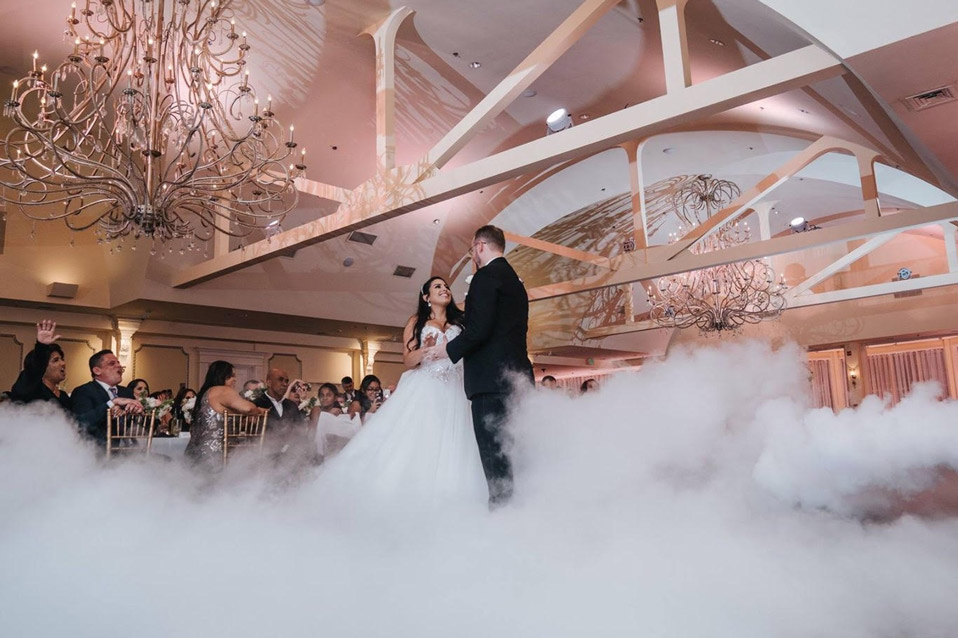
Group Dance Classes vs. Private Lessons for Wedding Preparation
When preparing for your wedding dance, choosing the right learning environment keeps your training efficient and stress-free:
-
Private Wedding Dance Lessons: The premier choice for bridal couples. Private coaching offers 1-on-1 instruction tailored specifically to your chosen song, customized choreography, physical attire constraints, and personal comfort level.
-
Group Dance Classes: Excellent for supplemental rhythm development, improving floor etiquette, and getting used to dancing in front of an audience.
-
The Hybrid Strategy: Many couples combine private sessions for their custom wedding routine with group classes to sharpen general footwork and physical coordination.
Find the Best Wedding Dance Lessons Near You
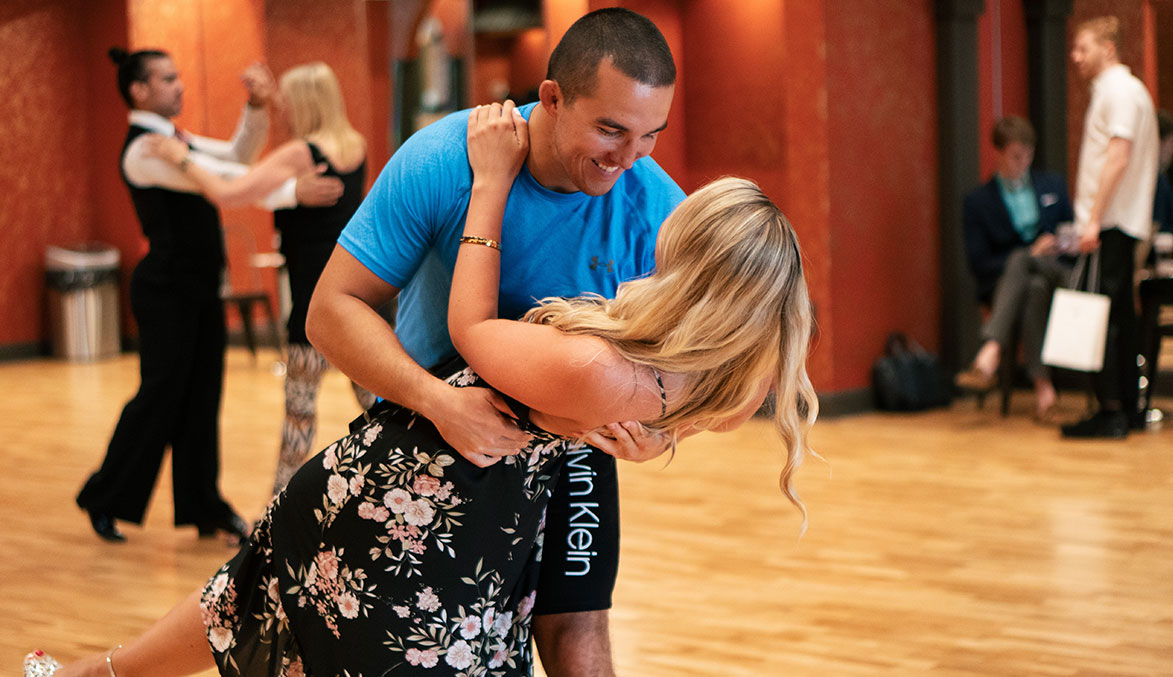
Your wedding dance should be a highlight of your special day—a fun, romantic memory you both cherish for a lifetime. By starting early, practicing in your shoes, and mastering core footwork foundations, you can banish performance anxiety and step into the spotlight with effortless poise.
At Dance With Me Studios, expert instructors specialize in guiding engaged couples from their very first steps to a stunning, stress-free first dance. Whether you want a simple, elegant sway or a fully customized romantic routine, every lesson is tailored to your unique goals and musical choice.
Dance Studios in New York:
Dance Studios in New Jersey:
Dance Studios in Texas:
- Wedding Dance Lessons in Austin
- Dance Studio in Southlake
- Wedding Dance Lessons in Houston
- Dance Studio in The Woodlands
- Dance Studio in Fort Worth
Dance Studio in Georgia:
Dance Studio in Las Vegas:
Dance Studio in Connecticut:
Frequently Asked Questions (FAQ)
How many first dance lessons do we need before our wedding?
Most couples achieve great results with 4 to 8 private dance lessons. If you want basic comfort with a custom entry, elegant sway, turn, and dip, a 4-lesson package is ideal. For custom choreography, full song editing, and complex style combinations, 8 to 12 sessions ensure total muscle memory and confidence.
How long should our wedding first dance song be?
The ideal duration for a first dance is 2 to 3 minutes. Anything longer can feel physically tiring for the couple and lose the audience’s full attention. A professional dance instructor can edit your preferred track to fade naturally at the perfect moment.
What if my partner has “two left feet” or no rhythm?
Having “two left feet” is simply a lack of structured physical coordination, which can be quickly corrected with proper guidance. Professional instructors break down music downbeats into clear steps without confusing jargon, helping even absolute beginners feel rhythm within 2 to 3 lessons.
What shoes should we wear to dance practice?
For early studio lessons, wear comfortable shoes with smooth leather or hard plastic soles that allow you to glide and pivot on hardwood without sticking. Avoid heavy rubber-soled athletic sneakers, as they grip the floor aggressively and strain your knees. During your final lessons, bring your actual wedding shoes to practice dancing with their specific heel height and traction.

