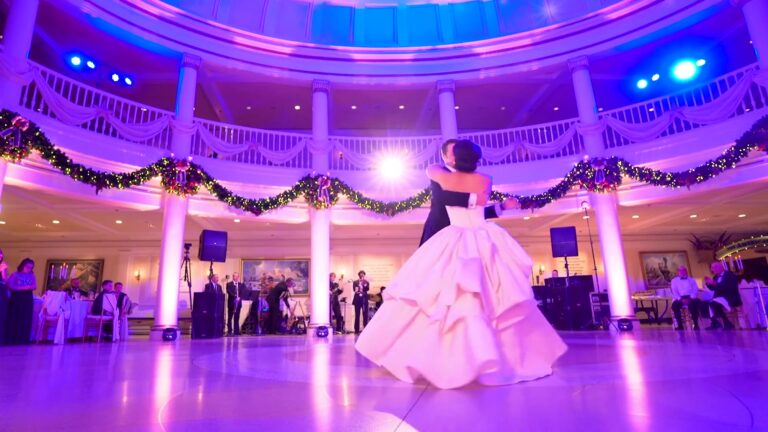
The father-daughter and mother-son dances are among the most tender, emotionally resonant moments of any wedding reception.
While the newlyweds’ first dance sets a romantic tone for the evening, parent dances honor decades of love, dedication, and memories shared between parents and their children.
They are usually a little shorter than the couple’s dance, so it helps to decide how long the first dance should be before you time the parent dances around it.
Yet, for many brides, grooms, and parents, stepping onto the floor under bright reception lights can induce a wave of pre-wedding nerves.
Whether you are worried about swaying awkwardly through a four-minute song, navigating blended family dynamics, or looking for creative footwork ideas, proper preparation transforms potential hesitation into a smooth, cherished memory.
Parent dances do not require elaborate choreography or rigid formal steps. A short 90-to-120-second arrangement focused on clean posture, simple lead-and-follow positioning, and emotional authenticity creates a picture-perfect moment without floor fatigue.
Parent Dance Variations & Etiquette at a Glance
Father-Daughter Dance
Traditional Order: Directly follows the newlyweds’ first dance
Ideal Song Length: 1.5 to 2.5 minutes (custom fade-out)
Popular Song Styles: Classic standards, nostalgic acoustic, classic country
Best For: Emotional tribute to the bride’s upbringing
Mother-Son Dance
Traditional Order: Performed immediately after the father-daughter dance
Ideal Song Length: 1.5 to 2.5 minutes (custom fade-out)
Popular Song Styles: Upbeat Motown, uplifting acoustic, timeless ballads
Best For: Heartfelt moment honoring the groom’s mother
Combined Parent Dance
Traditional Order: Performed simultaneously to a single shared track
Ideal Song Length: 2 to 3 minutes
Popular Song Styles: Universally loved classics, warm swing, or slow waltz
Best For: Tight timelines, camera-shy parents, or saving reception time
Navigating Parent Dance Etiquette & Reception Order
Understanding traditional wedding reception timelines helps keep your evening flowing naturally while ensuring every family member feels honored.
When Do Parent Dances Take Place?
Traditionally, parent dances occur in one of two prime timeline slots:
-
Immediately After the First Dance: The newlyweds complete their first dance, followed directly by the father-daughter dance, and then the mother-son dance. This consolidates formal dances before dinner service or cake cutting.
-
To Re-Engage Guests After Dinner: Hosting parent dances right after dinner serves as a natural signal to draw guests away from their tables and officially open the main floor for open dancing.
Traditional Sequence vs. Combined Parent Dances
While etiquette traditionally dictates separate songs for the father-daughter and mother-son dances, modern couples frequently adapt the order based on personal preference:
-
Individual Dances: Gives each parent their dedicated spotlight moment (recommended: 1.5 to 2 minutes each).
-
The Combined Parent Dance: The bride dances with her father while the groom dances with his mother on the same floor at the same time. This is ideal for streamlining formal programming or relieving stage fright for camera-shy parents.
Etiquette for Stepparents & Blended Families
Navigating parent dances in blended families requires thoughtful communication prior to the wedding day:
-
Splitting a Single Song: Dance with your biological parent for the first half of the song, then have your stepparent step in after a natural chorus or verse transition.
-
Two Brief Dedicated Songs: Dedicate a concise 60-to-90-second song segment to each parent and stepparent figure.
-
The Open Family Dance: Invite all parent figures and stepparents onto the floor midway through a celebratory song to share in the honor together.
Creative Father-Daughter & Mother-Son Dance Ideas
1. The Classic Sway & Turn (Timeless Elegance)
For traditional receptions, a classic slow waltz or smooth foxtrot box step creates an intimate, refined look. Incorporating simple underarm turns and a picture-perfect entrance and exit prevents the dance from feeling static.
2. The Upbeat Surprise Transition
Start with a nostalgic ballad (such as “My Girl” or “What a Wonderful World”) for 45 seconds, then transition into a high-energy, fun track (like classic funk, Motown, or upbeat pop). This crowd-pleasing approach releases tension and gets guests cheering.
3. The Multi-Generational Family Celebration
Begin the dance with parent-child pairs, then have the DJ or band invite all married couples, grandparents, or bridal party members to join the floor for the second half of the song. This creates a smooth transition straight into open social dancing.
Pro Tips for Song Selection & Timing
-
Keep It Under Two Minutes: Full studio recordings of popular songs often last 3 to 5 minutes, which can feel uncomfortably long on the floor. Work with a DJ or dance instructor to edit your track down to a tight 90 to 120 seconds.
-
Focus on Rhythm, Not Just Lyrics: Ensure your chosen song has a clear downbeat. Songs with abrupt tempo shifts or long acoustic pauses make basic footwork challenging.
-
Practice in Wedding Footwear: Fathers, grooms, and mothers should practice in their actual dress shoes at least twice before the big day to adapt to smooth hardwood soles and heel heights.
Private Lessons vs. Group Classes for Parent Dances
Preparing for a parent dance is a wonderful bonding experience prior to the wedding day, check the differences between Private Lessons and Group Classes
-
Private Parent Dance Lessons: Offers a relaxed, personalized setting where instructors tailor simple choreography to your specific song, dress train, and comfort levels.
-
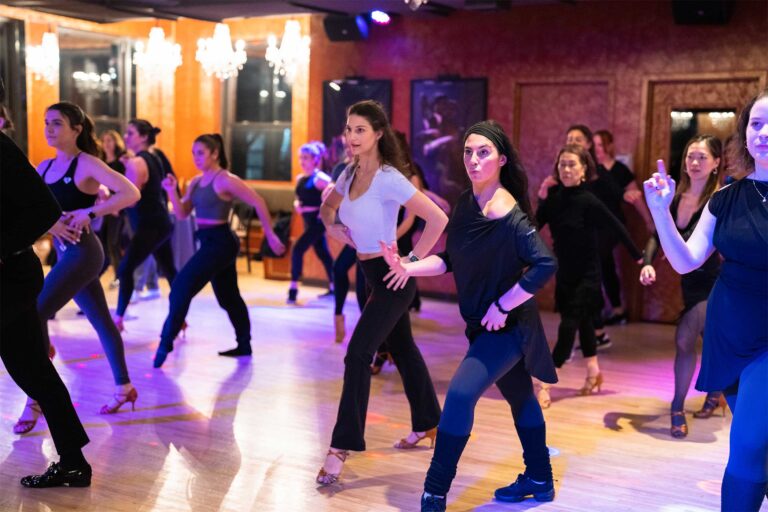
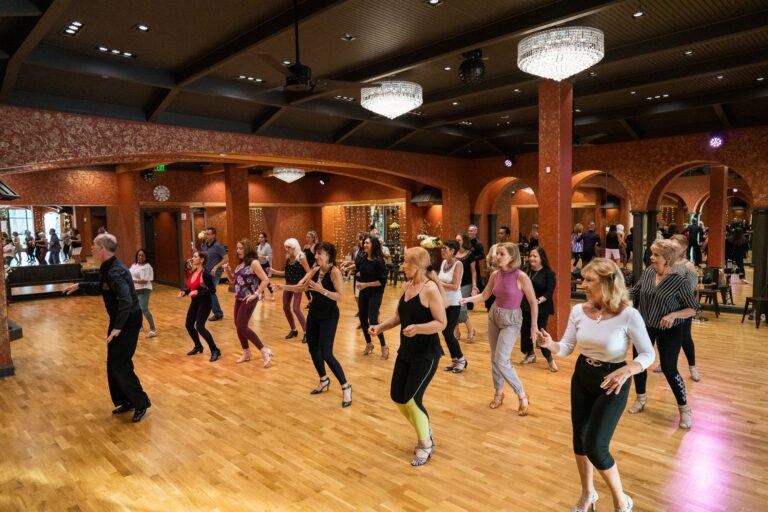
Group Dance Classes: Ideal for building general floor posture, learning basic timing, and gaining confidence dancing in front of an audience.
-
The Joint Family Session: Many couples invite their parents to join them for a private group lesson, creating a fun, memorable pre-wedding activity for the whole family.
Step Onto the Floor with Poise and Confidence
Your father-daughter and mother-son dances should be joyful highlights of your wedding day—not a source of stress. By choosing meaningful music, keeping song lengths concise, and mastering basic lead-and-follow mechanics, you can create an effortless moment that your family will treasure forever.
At Dance With Me Studios, expert instructors specialize in guiding brides, grooms, and parents through custom, stress-free routines tailored to any wedding style. Whether you want a simple, elegant box step or a fun custom medley, every lesson is designed around your unique vision.
Frequently Asked Questions (FAQ)
How long should the father-daughter and mother-son dances be?
The ideal duration for a parent dance is between 1.5 and 2 minutes (90 to 120 seconds). Anything longer can begin to feel repetitive for guests and tiring for parents. Professional dance instructors or DJs can edit your preferred song to fade naturally at a logical verse or chorus.
Who dances first: father-daughter or mother-son?
In traditional wedding etiquette, the father-daughter dance occurs first, followed immediately by the mother-son dance. However, couples can choose to reverse the order, combine both dances into a single song, or host them right after dinner depending on their reception timeline.
Can you combine the father-daughter and mother-son dance?
Yes! Combining both parent dances into one single song is a popular, time-saving option. The bride dances with her father while the groom dances with his mother on the dance floor simultaneously. This reduces individual performance pressure and keeps the reception timeline moving smoothly.
What should parents wear to dance practice?
Parents should bring their intended wedding footwear—or shoes with identical heel height and sole grip—to final practice sessions. Smooth leather dress soles allow dancers to glide and pivot on hardwood without sticking or straining joints.